Cost of Lost Sleep
Fatigue costs the economy $680 Billion
Lost sleep drains over $680 billion from the global economy every year. Tired people forget, underperform, and make costly decisions. What looks like exhaustion is an economic crisis.
Every single night
your body writes a report
no-one ever reads
The body doesn't speak in single moments, it speaks in patterns. A heartbeat means little on its own. Followed night after night, it becomes a story: what's happening now, and what's coming next. The meaning was never missing. It just takes long enough, and close enough attention, to hear it.
Poor sleep is
much more than
just poor sleep
Poor sleep is a global health crisis and most of us are only measuring the surface of it. Sleep quality can reveal early signs of change, long before symptoms appear. If that insight exists, and could help you sleep better tonight while flagging what's ahead, the question isn't whether to use it. It's why you haven't.
Cost of Lost Sleep
Lost sleep drains over $680 billion from the global economy every year. Tired people forget, underperform, and make costly decisions. What looks like exhaustion is an economic crisis.
Sleep Deficit
Between 50 and 70 million Americans live with chronic sleep conditions, most undiagnosed. The CDC reports one in three adults never reaches the 7–9 hours the body requires.
Deeper Symptom
Poor sleep rarely stands alone. Researchers have linked it to 88 health conditions (cardiovascular disease, diabetes, obesity, weakened immunity, depression) a warning the body sends long before diagnosis.
There is a better way…
Fabric as a Sensor (FaaS™)
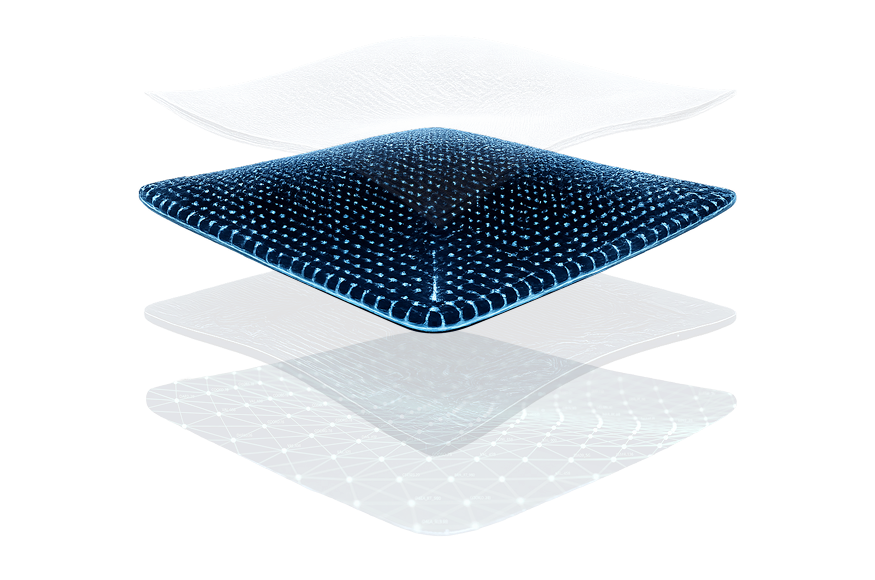
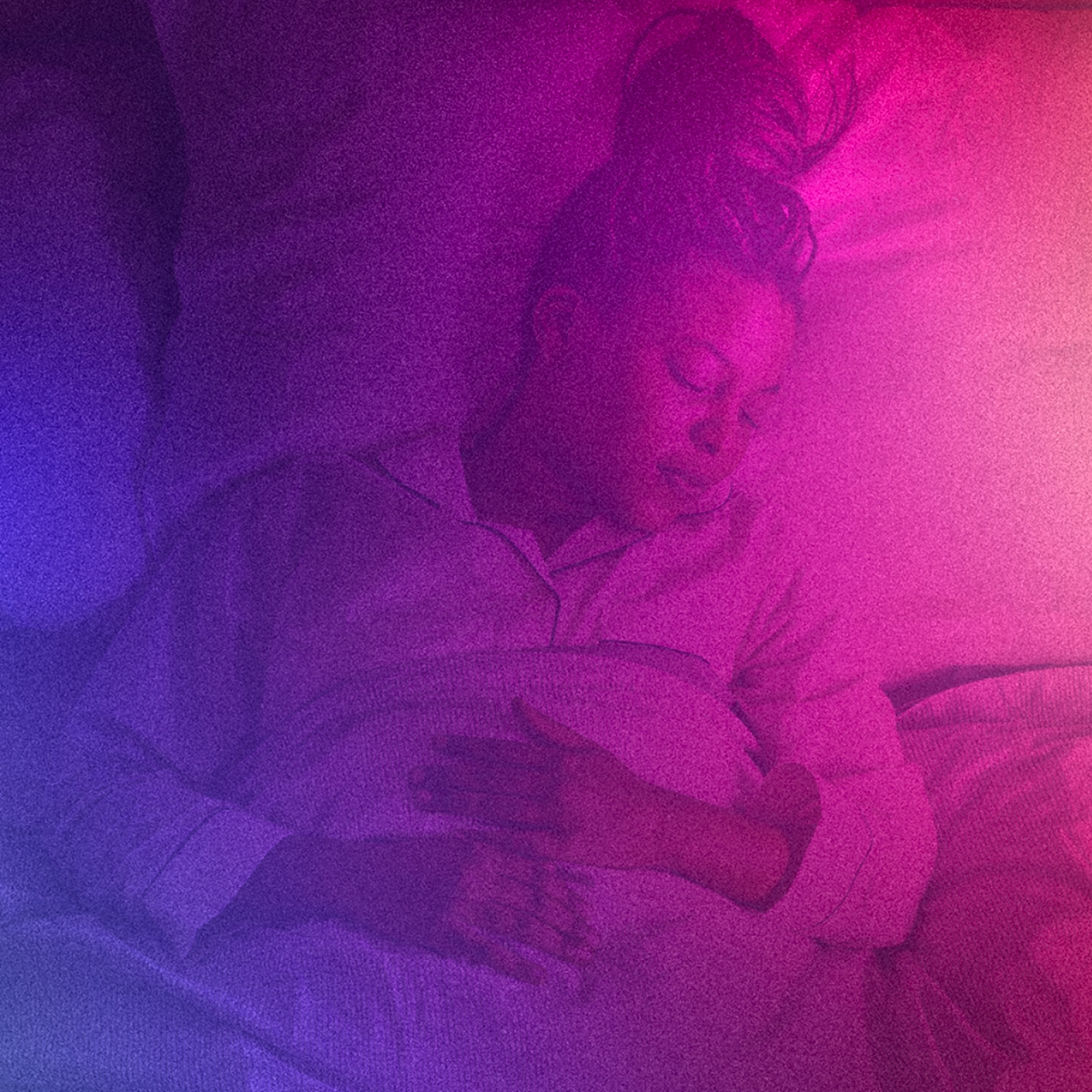
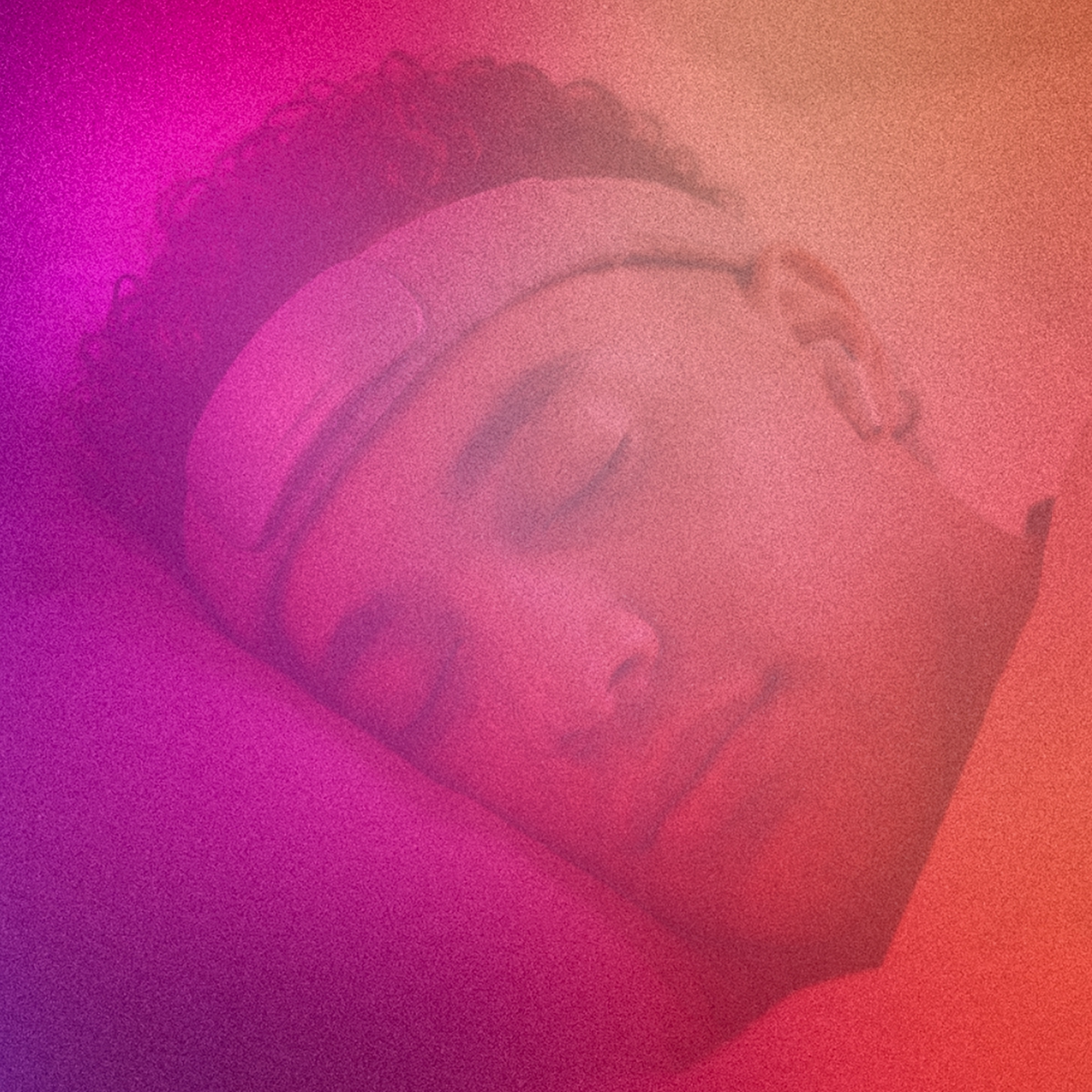
No uncomfortable wearables. No wires. No discomfort. You literally just lay your head on the pillow and let it do the rest. FaaS™ weaves passive biosignal sensors directly into the materials you already live with, like a pillowcase, a sheet, and even a mattress. It captures EEG and ECG data at clinical accuracy while you do nothing differently. You sleep. It listens.
Capturing Longitudinal data
One reading shows a moment. Longitudinal data shows a pattern. The same signal, captured consistently, night after night, over time. That consistency is where the real value lives. It is these pattern that only sustained, accurate data can reveal.
How it works
No complicated setup. No itchy or uncomfortable wearables. No steep learning curve. FaaS™ works in just four simple steps, and you’re fast asleep for all of them.

From Data to Action
Most sleep tech stops at collection. Numbers on a screen, with no way to act on them. Nuream was built to go further. We turn nightly signal into long-term patterns you can actually do something about. That's the difference between tracking and understanding.
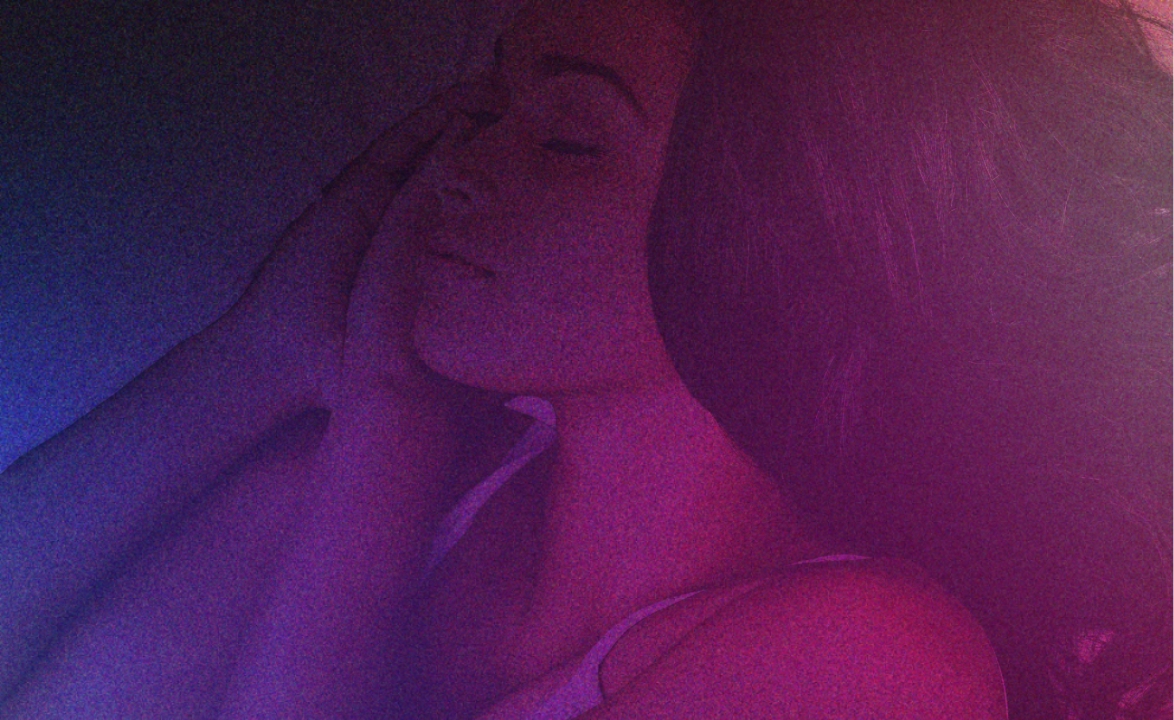
Sensors embedded in the fabric collect signal while you sleep. No wires, no wearable, and nothing to remember. Brain activity, heart rate, and respiration, captured exactly as they happen.
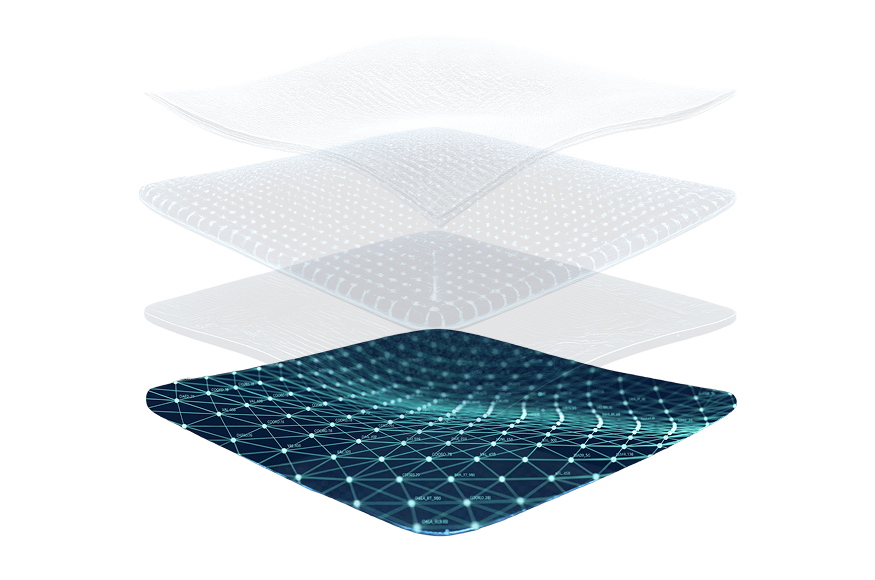
A single night is a snapshot. Over time, it becomes a pattern. Nuream combines brain and body signal to reveal what's changing night to night and over the long run.
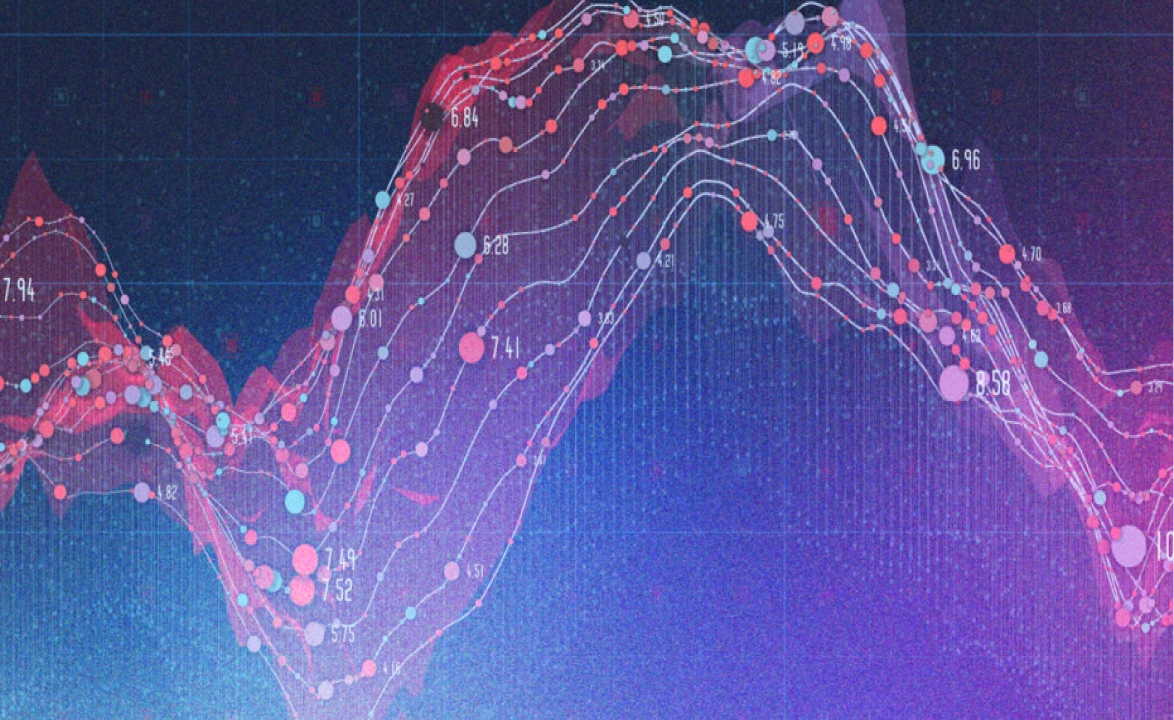
Raw signal means nothing on its own. Nuream's AI translates it to decode the noise into something you can understand and act on. A clearer path to better rest, and an early view into what your body may be telling you.
our customers
Sleep sits underneath everything else: recovery, cognition, safety, performance. FaaS™ reads the signals that reveal how well you're actually sleeping, then shows what to do with that data. No wearables required.
You’ve tried the rings, the watches, the apps. The data was interesting, until you found out it wasn’t actionable. FaaS™ runs quietly in the background, building a picture of your sleep that gets more useful over time. It’s effortless and life-changing.
Recovery isn’t optional, it’s the competitive edge. FaaS™ captures the biosignal data that tells you whether last night’s sleep actually restored you, so training decisions are grounded in physiology and science, not guesswork.
Sleep deprivation isn’t a personal problem here, it’s a mission-critical risk. FaaS™ monitors continuously and passively, requiring nothing from you mid-shift or post-deployment. The data builds over time, and the risk gets visible before it becomes dangerous.
For providers, team administrators, and research institutions, passive biosignal data at scale opens new windows into long-term health, and the functionality of your crew. Most importantly, your people’s data stays theirs because privacy is imperative. It’s user-controlled and safe.
Going Beyond Sleep
Sleep was the entry point. The infrastructure built to monitor it (passive sensors, longitudinal data, no behavior change required) has reach beyond sleep. That same platform is built to unlock applications wearables have approached but not solved: monitoring that doesn't depend on the user remembering to wear something, charge something, or comply with something. The technology doesn't change. The application does.
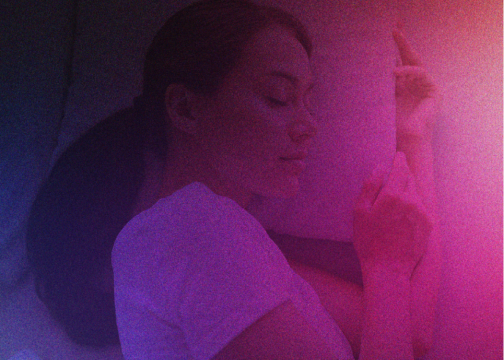
Sleep is where FaaS™ started. Passive sensors in the fabric capture EEG and ECG data every night, without a wearable to put on or remember. The result: longitudinal sleep data, gathered the way sleep actually happens: undisturbed.
Recovery depends on data an athlete won't interrupt sleep to collect. FaaS™ gathers longitudinal biosignal data passively, day and night, without a wearable to charge or strap on. Coaches and athletes get a clearer picture of recovery without adding a routine to follow.
Early signals matter most when no one's looking for them yet, for mental health as much as physical health. FaaS™ captures long-term biosignal data passively, without requiring a person to test, log, or comply with anything. That consistency is what preventative health monitoring has struggled to achieve.
Longitudinal data is hard to collect when it depends on participant compliance. FaaS™ removes that variable. Passive sensors gather EEG and ECG data continuously, without a wearable or a behavior change. Researchers get more consistent data, over longer windows.
Research | University of North Carolina at Wilmington

Nuream’s UNCW IRB-validated prototype ensures scientific rigor, compliance, and safety-providing independent oversight that de-risks the technology, builds clinical credibility, and speeds adoption in commercial and government markets.
Our Team
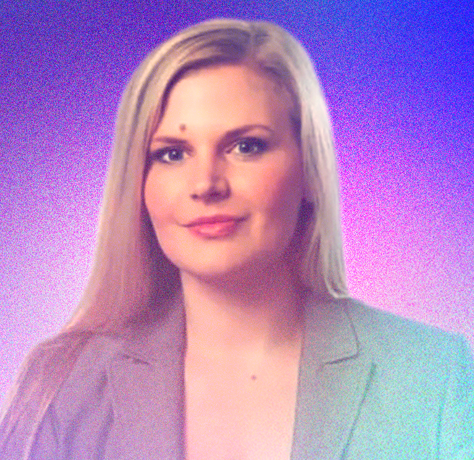
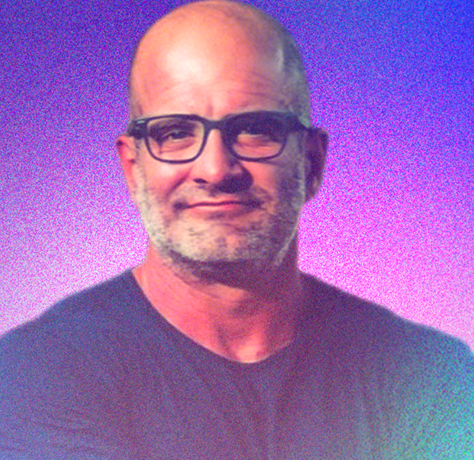
Nuream was built by people who wouldn't accept the tradeoffs sleep tracking had settled for. A retired General. A sleep specialist. A chief medical officer. A defense health advisor. Different backgrounds with a shared requirement: data has to be accurate, passive, and useful or it isn't worth collecting. That standard shaped every part of the platform.
meet our team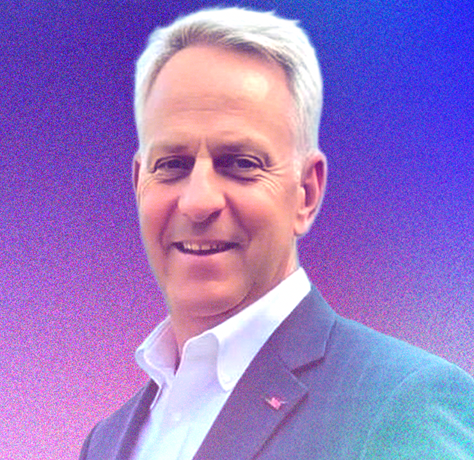
Partnerships
Nuream's technology was developed alongside institutions that share the same standard for rigor: research universities, federal science programs, and organizations built to validate new ideas, not just fund them. That collaboration is why FaaS™ has peer-reviewed data behind it, not just a working prototype.





Our Sleep Products
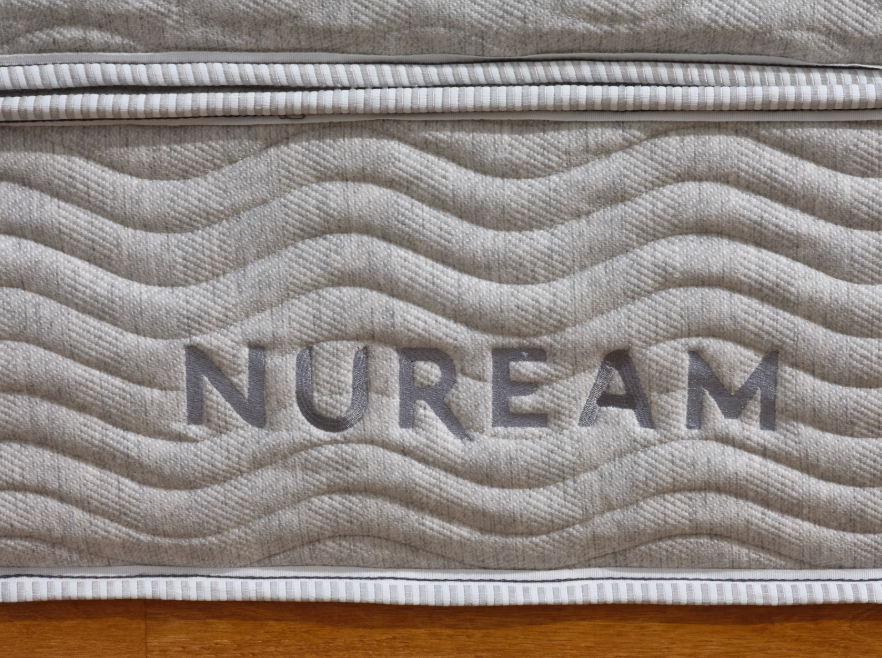
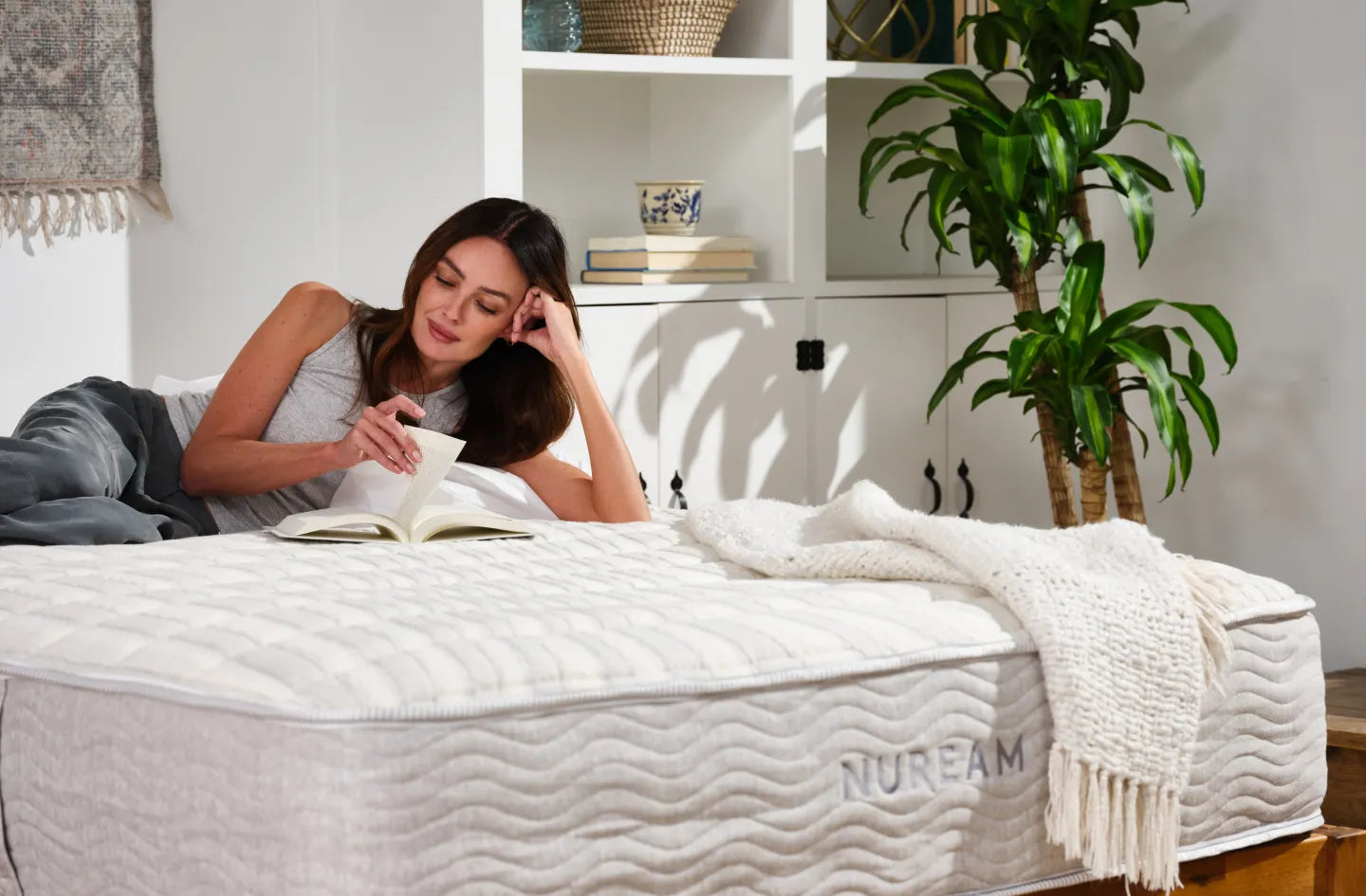
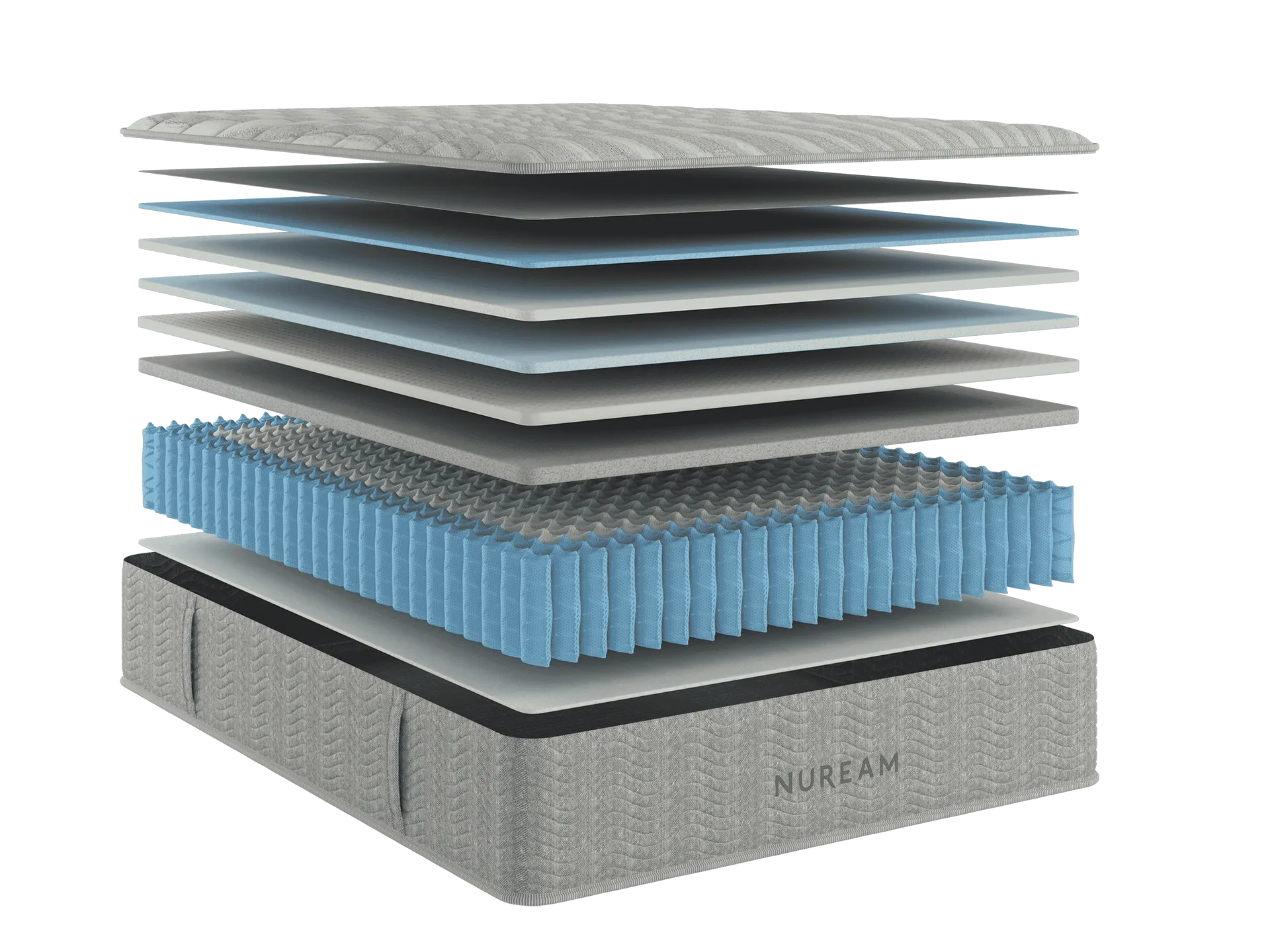
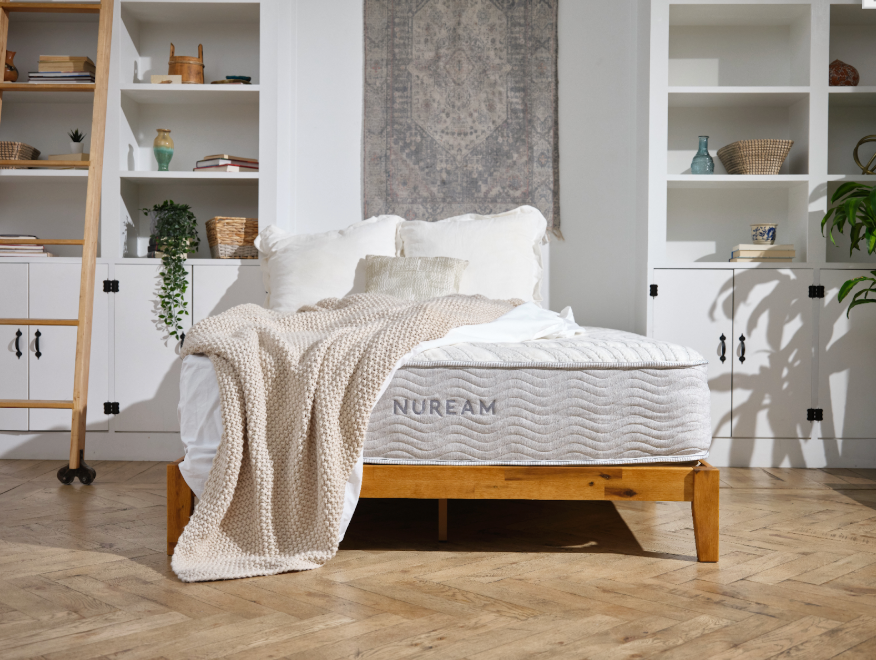
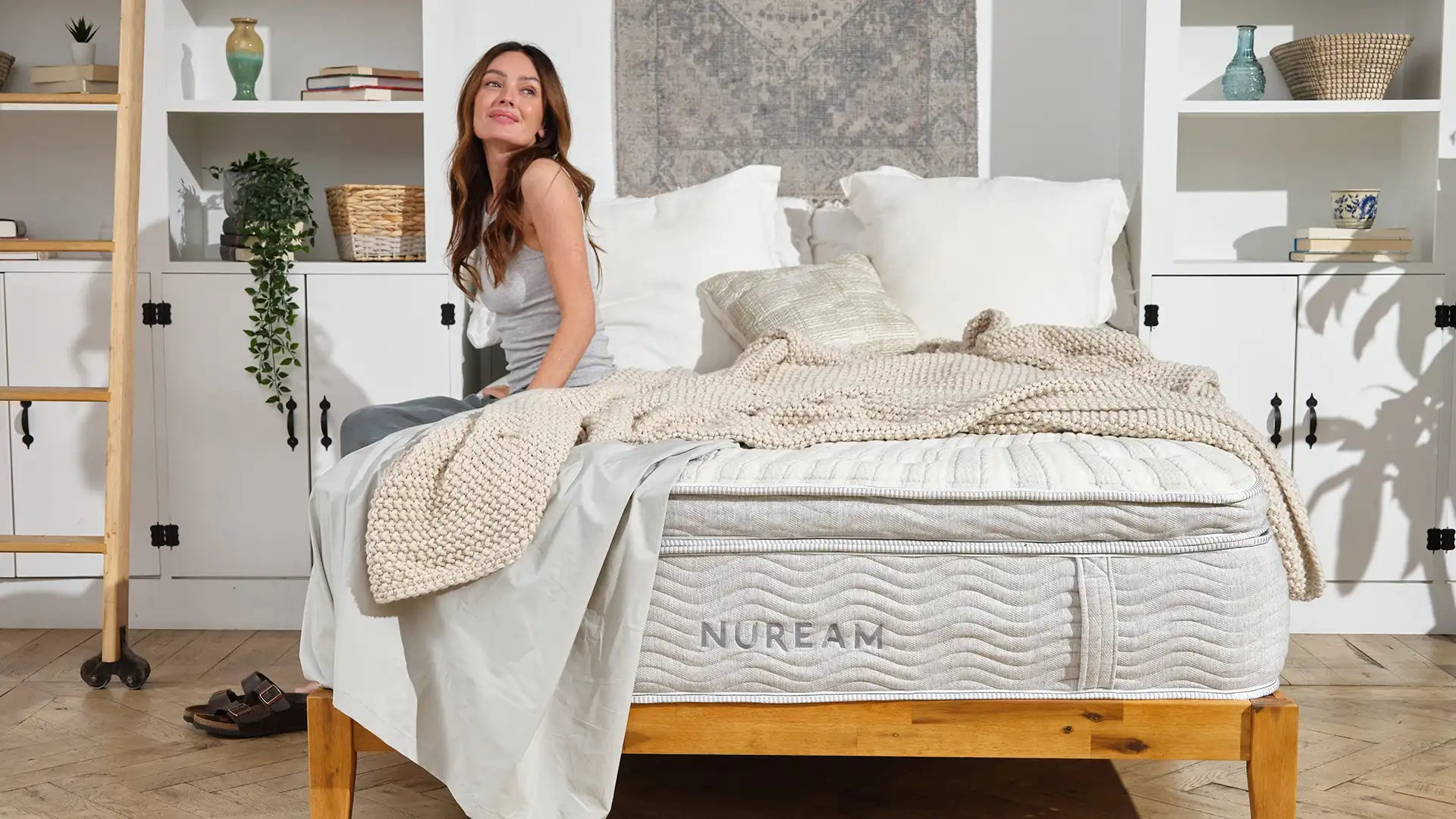
Before FaaS™, there was the fabric. Nuream's sleep products are built by the same team studying what sleep actually requires. Informed by years of clinical research into how people sleep, not just what they sleep on. FaaS™ sensing technology is not yet built into these products. What you're getting today is the craftsmanship and research behind it: the same standard the platform itself was built to meet.
Show Now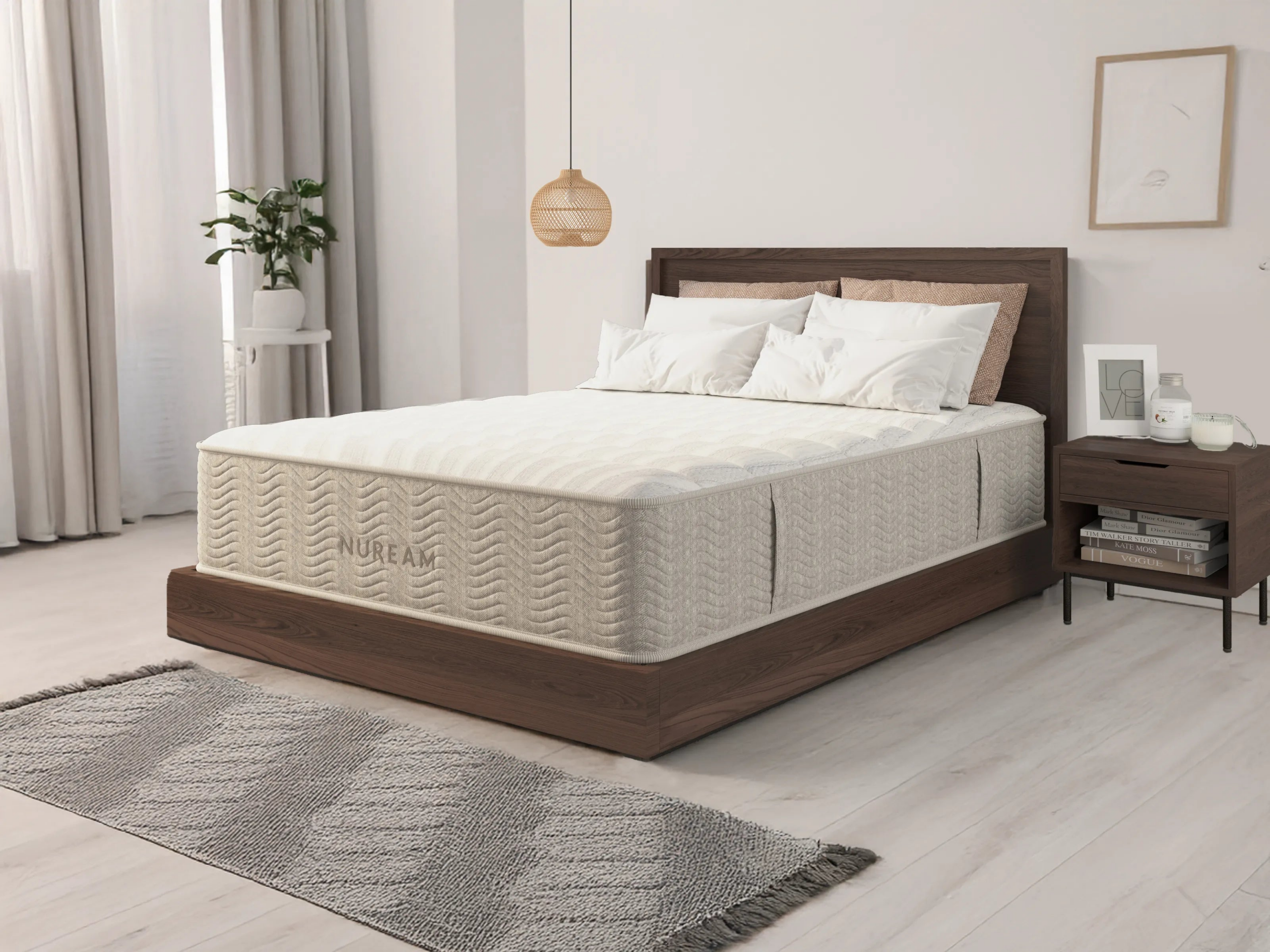
The Nuream Foundation
The Nuream Foundation is a 501(c)(3) built on that conviction. It combines biosignal data with human health indicators to identify early signs of distress and deliver personalized care to those who need it most before a crisis, not after. A percentage of every Nuream purchase funds the Foundation’s mission directly.
STRATEGIC PARTNERSHIP OPPORTUNITY
The science is validated. The first application is live. What comes next is bigger: a platform moving beyond sleep into the broader category of passive biosignal data. A category still being defined. Nuream is positioned to define it.
Interested in FaaS™ and what's next for Nuream? Send us a message. We'd love to hear from you.